A Prospect of Eco-friendly Drain & Sewer Systems in Ontario
As continues to expand and evolve, the significance of eco-friendly drain and sewer solutions has never been so important. With aging https://codimd.syssec.org/BL2oXoEURCKVOssfWlc1EA and escalating ecological problems, homeowners and local governments alike are pursuing cutting-edge methods to handle their sewer and drainage solutions efficiently. From advanced inspection techniques to eco-friendly fixes, the future of these systems is not only concerning current requirements, but also about preparing for the challenges that lie ahead.
One of the essential parts in this evolution is the embrace of tech-savvy methods, such as CCTV drain camera surveys. These tools help identify hidden harm in lateral pipes, particularly in older homes where tree root intrusion can wreak havoc on clay pipes. As areas across the southern region of Ontario continue to face challenges related to water overflow and drainage, grasping the variety of options—including trenchless fixes to installing backwater valves—will allow homeowners to make educated choices that protect both their premises and the ecosystem.
### Innovative Inspection and Repair Techniques
Adoption of cutting-edge technologies in Ontario's drain and sewer management changed how we assess and repair these critical systems. CCTV sewer camera inspections have become a cornerstone for diagnosing unseen issues such as lateral line damage in properties. These high-resolution cameras facilitate technicians to access otherwise inaccessible hard-to-reach spots within the sewer system, giving invaluable insights into the state of pipes. Sewer line inspection assists homeowners to steer clear of costly repairs by addressing problems before they escalate.
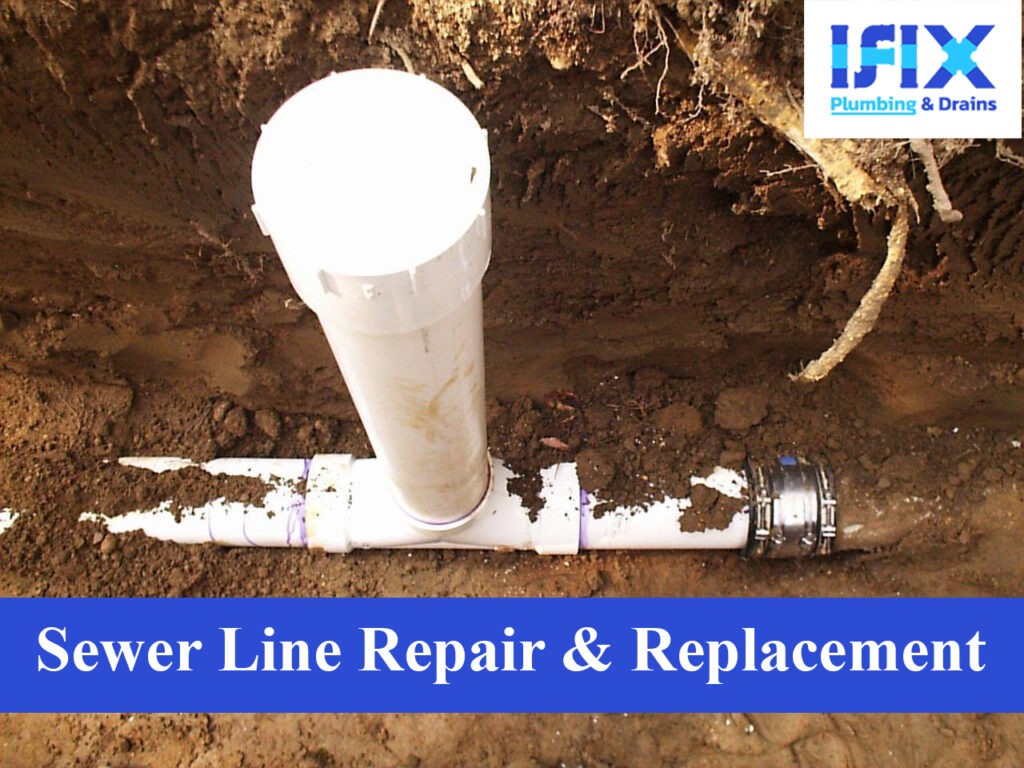
A further notable technique is trenchless sewer repair, which offers significant benefits over old digging methods. This innovative process facilitates the repair or replacement of damaged pipes with minimal disruption to the surroundings, saving time and money while reducing ecological footprint. Technologies like cured-in-place pipe (CIPP) lining have gained popularity for their capacity to restore aging sewer pipes without extensive excavation, effectively prolonging the life of existing infrastructure while ensuring efficient water flow.
Additionally, with rising awareness of environmental concerns and the impact of climate change on sewer systems, methods including hydro jetting are gaining traction. This potent drain cleaning technique uses high-pressure water jets to clear major blockages, effectively removing debris, roots, and buildup without harmful chemicals. As Ontario continues to prioritize sustainable practices in its drainage solutions, these innovative repair techniques serve a crucial role in maintaining the integrity of the region's sewer systems while safeguarding public health and the environment.
Protecting Residences from Wastewater Overflows
Wastewater backups can lead to substantial damage to houses, leading to costly repairs and health hazards. One successful measure to prevent this problem is the installation of backwater valves. These mechanisms function as one-way gates, permitting wastewater to exit the residence while stopping waste from going back in during severe rainstorms or overloading of the system. Homeowners in Ontario should think about installing backwater valves put in place, especially in regions at risk of flooding or where drainage systems are under strain.
Another essential aspect of protecting residences from sewer backups is routine maintenance and inspections of the primary sewer lateral. Using CCTV sewer camera inspections can assist detect hidden issues such as cracks, obstructions, or intrusion from roots that may compromise the integrity of the sewer line. Proactive detection of these issues ensures prompt repair and reduces the risk of a backup occurring, which can result in catastrophic effects on real estate and valuables.
Residents must also be mindful of their local laws regarding drain management. For Sewer line repair , disconnecting downspouts from the sanitary sewer is necessary in many Ontario local governments. This action contributes to reduce the volume of precipitation entering the sewer system during rainstorms, thereby reducing the chance of sewer backups. Comprehending these laws, along with implementing preventative measures, plays a crucial role in safeguarding residences from the dangers associated with wastewater overflows.
Maintaining and Upgrading Drainage Solutions
Regular upkeep of drainage networks is essential for property owners in Canada to avoid serious issues such as clogs and flooding. Homeowners should allocate resources in tools like CCTV sewer video inspections to discover hidden problems and check the state of lateral lines. This proactive approach can save money in the future by fixing issues before they increase. Consistent reviews aid guarantee that roots from trees, which can severely damage clay sewer pipes, is controlled effectively, especially in thickly wooded areas.
Upgrading modern methods can dramatically enhance the effectiveness of drainage systems. Approaches like trenchless sewer repair offer a less invasive alternative to traditional digging, thereby minimizing disturbance to landscaping and surrounding properties. Homeowners should also contemplate the installation of backwater valves to safeguard basements from potential sewer surcharges during heavy rainstorms. These systems can shield homes and provide added assurance, especially as the province experiences increasingly common and extreme weather events.
Keeping up to date about available rebates for basement flooding protections in areas like Toronto, the Peel Region, and the Halton Region is essential for budgeting. Schemes aimed at assisting homeowners in improving their systems can reduce some of the load associated with these enhancements. Furthermore, regular maintenance, including inspections of sump pumps, weeping tile repair, and even implementing best practices for managing surface runoff, will enhance the resilience of properties against water damage and drainage challenges.